Community gatherings, respecting the land and building my glass studio. Come on into my old Maine home and watch what I’ll build for us.
Placemaking Before, During and After Me
I think about placemaking a lot. To be clear, places have already been made - they existed long before me, they’ll exist looooong after me. I am not making any place that our earth hasn’t already made. In fact, the very term “placemaking” often has settler colonial ties and I struggle even using it here.
When I think about placemaking, though, I think about how I can respect the earth and land, the air and energy that make up the soul of the place that I’ve been invited into make art. Acting as an environmental steward and a caretaker helps me remove myself from the ownership connotations of placemaking, which is tied to capitalism and white supremacy, and instead, places me in a mindset of a partnership around this home and this land.
Together, we are going to make something very, very special.
In fact, I think it is already here.
Let’s start with home.
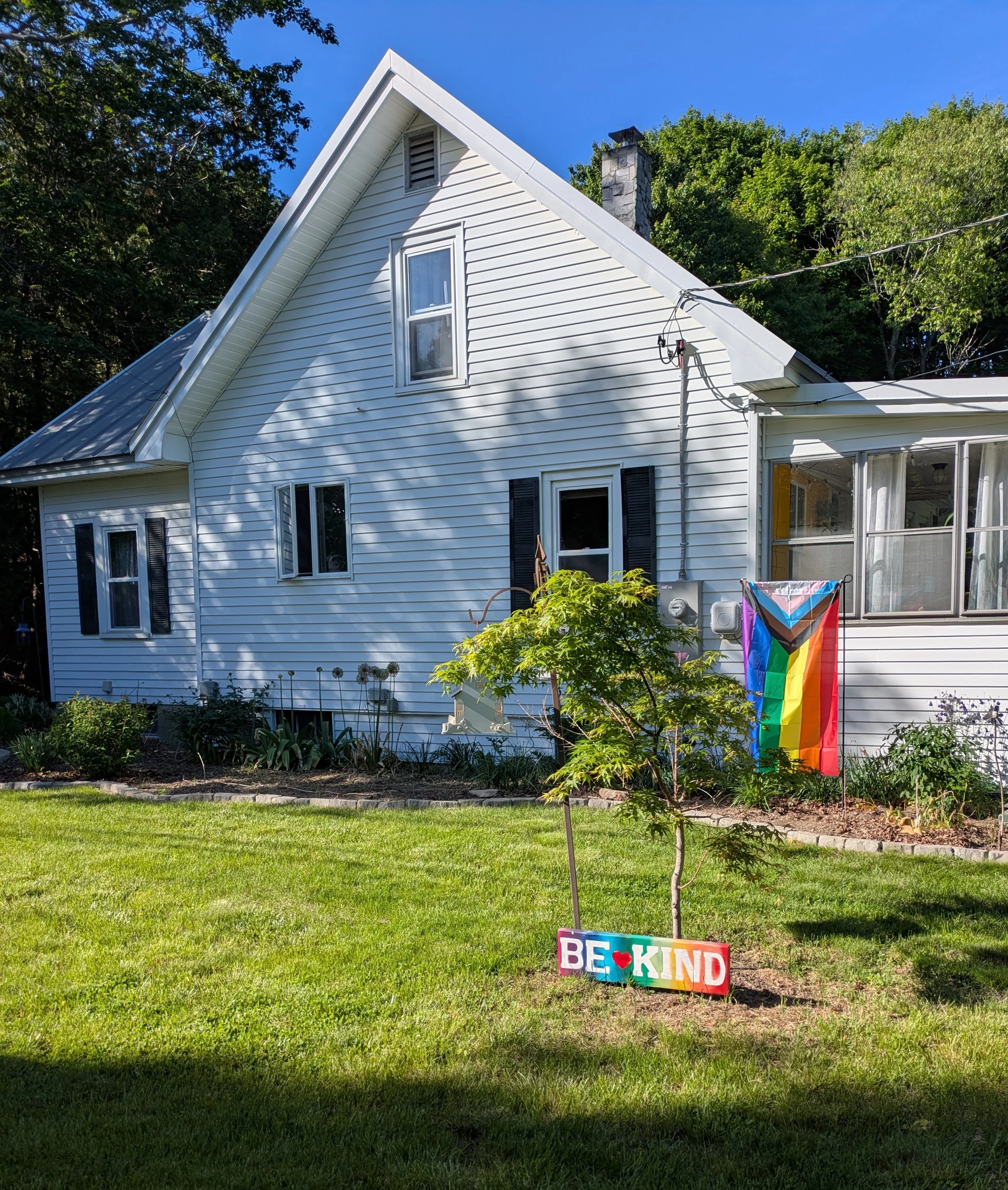
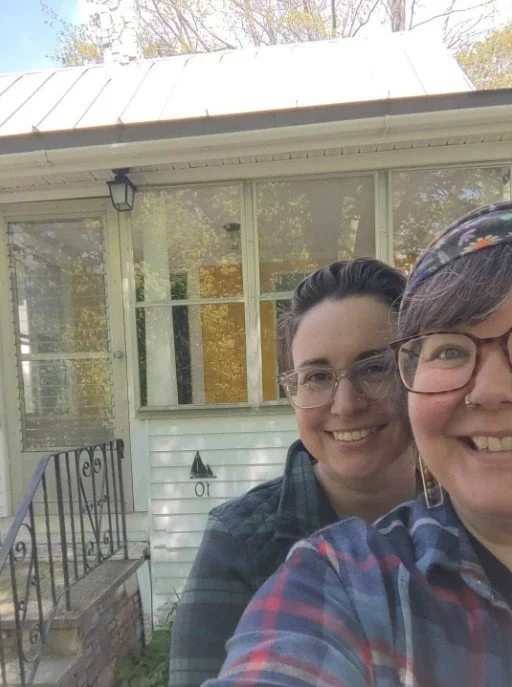
My house today, all ready for Pride month.
This 75 year old Cape Cod in Hampden, Maine existed long before me. She’s got good, deep roots in Native heritage as well as a loving, vibrant Maine family.
I know this because not only do I feel all their presences here, I also did a lot of research on our home and land after we moved in. Between my archival digging and stories from my lovely neighbors, I have put together a picture of the people who lived in harmony with and stewarded this home and land before me.
Wabanaki Lands
Long before me and long before Maine, the Wabanaki people lived here and took great care of the land I now reside on. The Four Directions Development Corporation, created by the Penobscot Nation (which is more specifically where I’m located), explain:
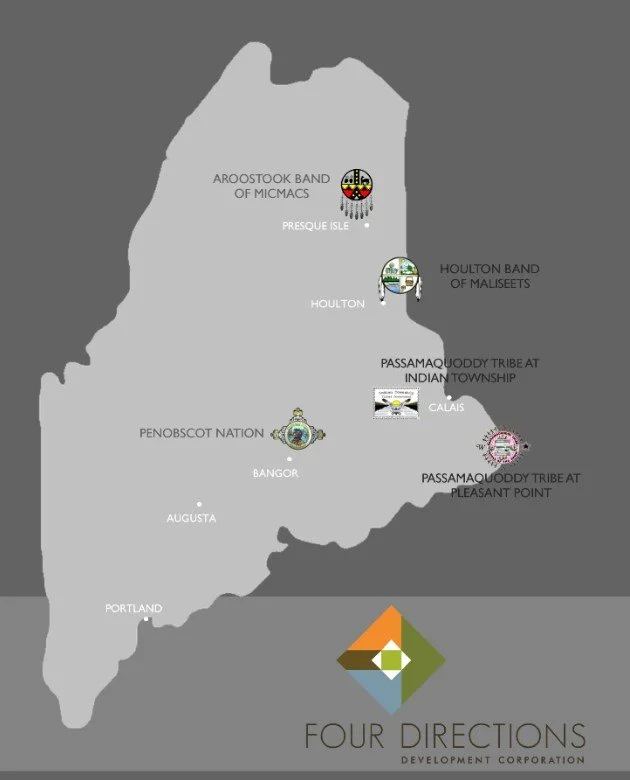
“The Wabanaki Confederacy (Waponahki) — translated as “People of the First Light” or “Dawnland” — currently comprises five principal nations: the Mi’kmaq, Maliseet, Passamaquoddy, Penobscot, and Abenaki, and stretches from Newfoundland in the north to mid-Maine in the south, and parts of Quebec in the west. Historically, the confederacy united five Algonquin language-speaking Indian tribes. While the Wabanaki Confederacy was disbanded in 1862, the Mi’kmaq, Maliseet, Passamaquoddy, and Penobscot nations still exist and remain closely aligned, in part because all peoples claiming Wabanaki lineage have forbearers from multiple Wabanaki and colonial ancestries.
As Europeans settled and seized land, the Wabanaki were relegated to remote and isolated places. Such is still the case today. A large share of the nearly 8,700 members of the four Wabanaki tribes in Maine reside in Aroostook and Washington counties — the northern and eastern portions of the state — in what are among the most economically challenged counties in the country.
All the tribes have highly skilled artisans who continue to produce beautiful works of art — baskets, drums, carvings, canoes, jewelry, and other traditional items.
Each of the Wabanaki tribes has its own territory made up of reservation, trust and/or fee lands. Trust lands, which include reservations, are parcels that are owned and controlled by the tribes but placed under trust protection by the Federal Bureau of Indian Affairs. Fee lands do not enjoy the same protected status as trust lands and may be traded, sold, or mortgaged under the same conditions that apply to lands owned by non-Natives in Maine.”
As I build my life here, I work to partner with and respect the people of the Penobscot Nation. I recognize that placemaking for me in this country comes from a violent history of colonialism and imperialism. It is my job to ensure I learn about this exploitation and work to not repeat it.
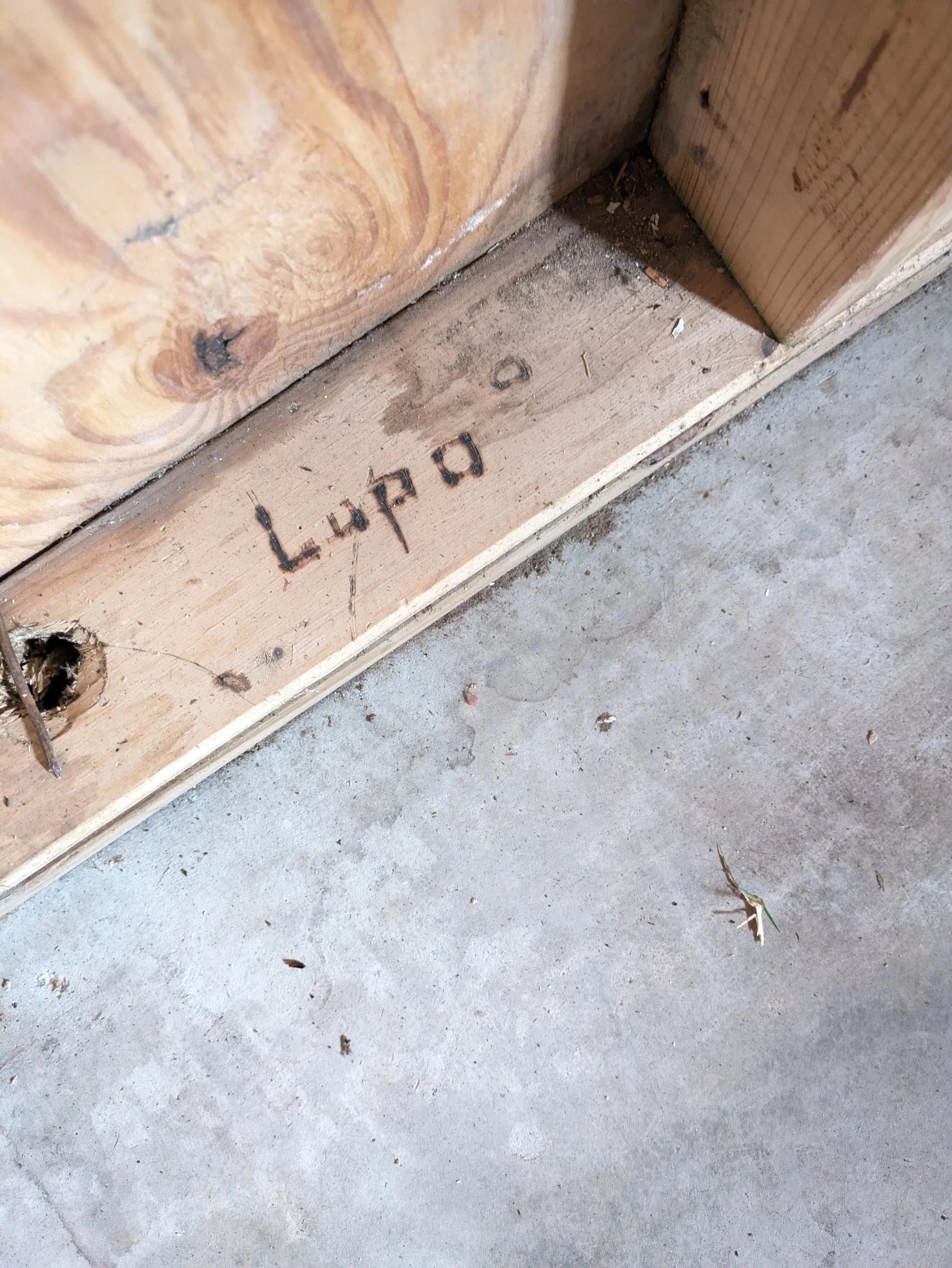
In the 1950’s, the Ayers built this place and then grew the house, raised their babies and passed her down to their next generation, the Lupos.
I see evidence of their joy and playfulness, like this 2x4 we uncovered after repairing a wall in my future studio.
When we bought the homeplace last year, I watched the auras of the Ayers and Lupos move through the rooms. They were welcoming us. I felt like I was a part of their families, a goodhearted guest invited in and asked to stay a while.
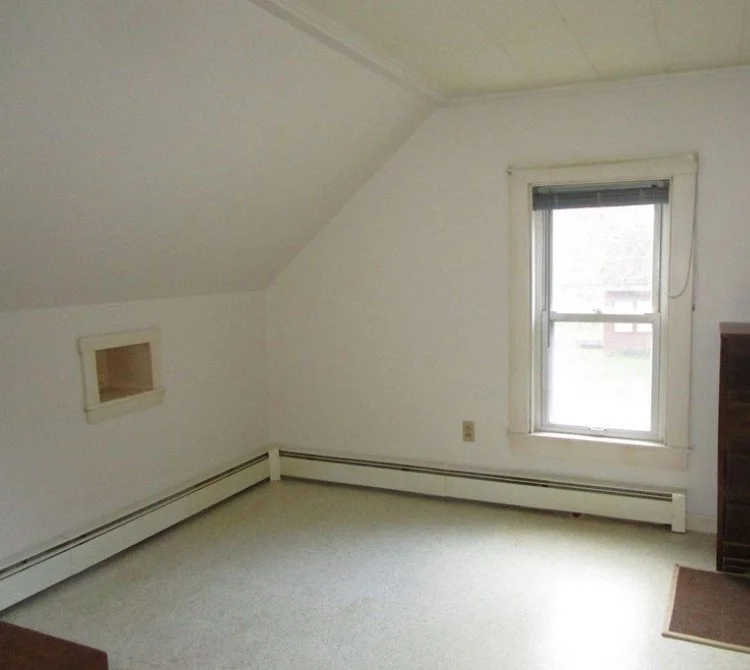
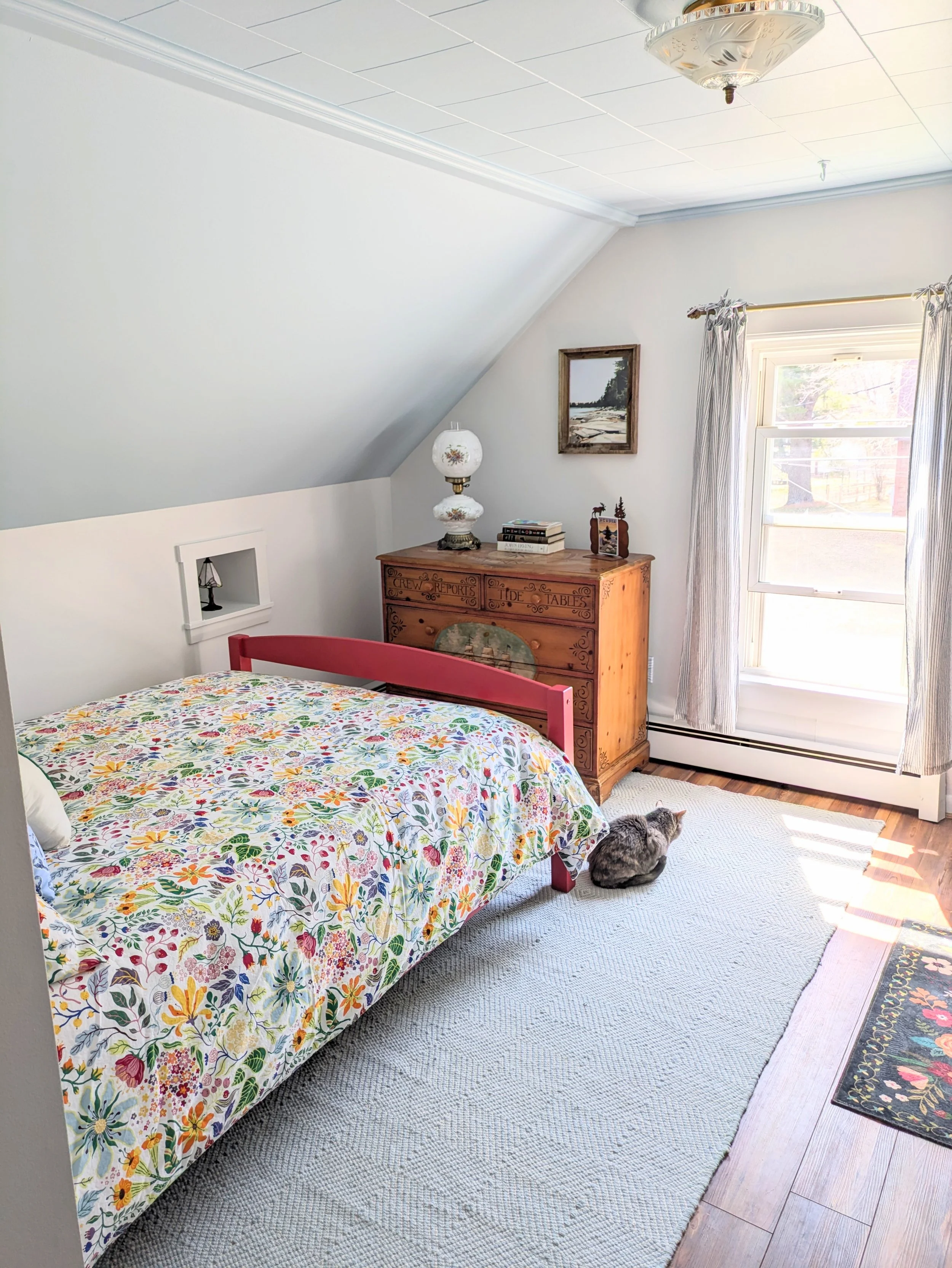
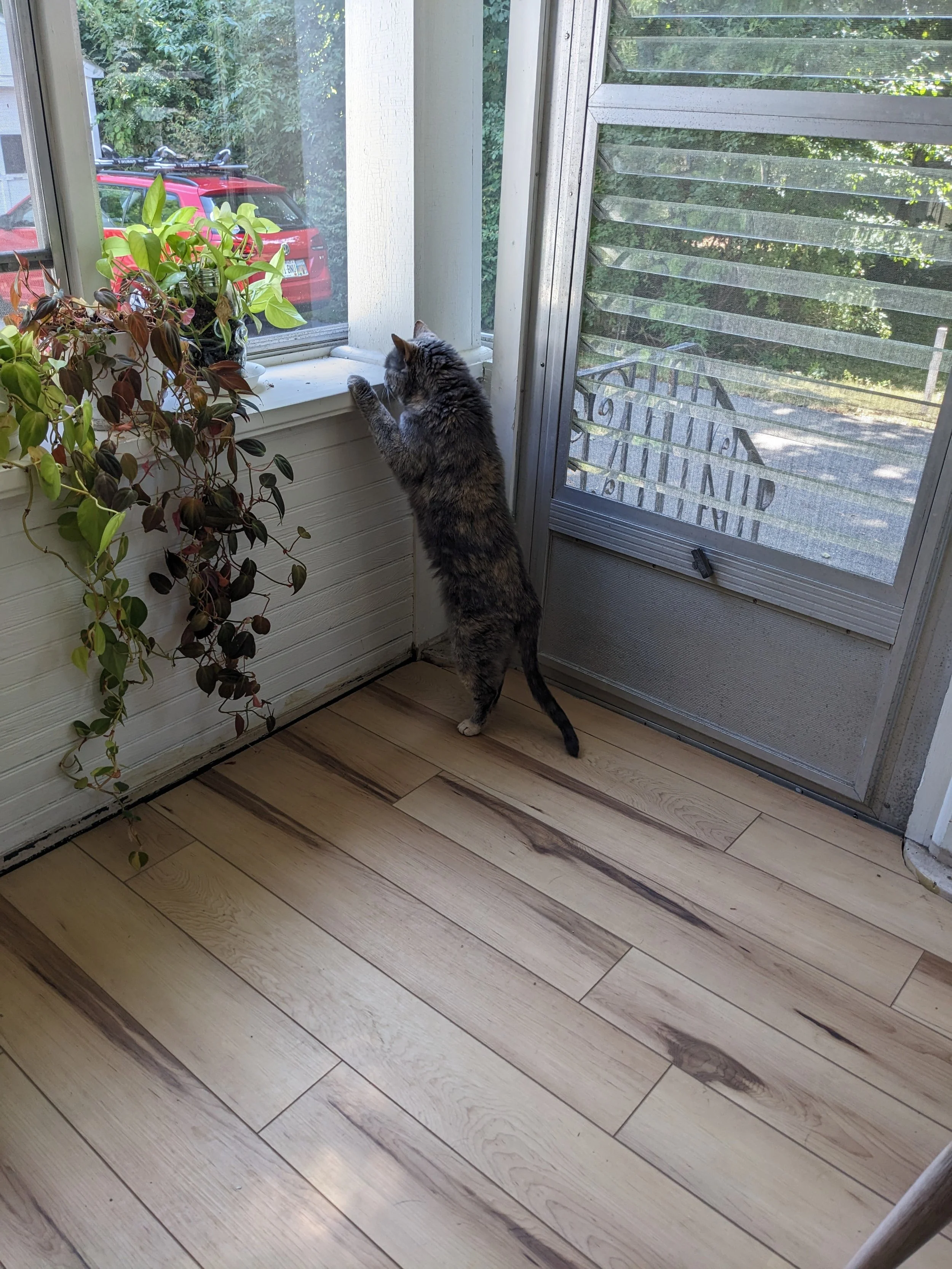
Our guest room before and after, featuring Frannie Cat.
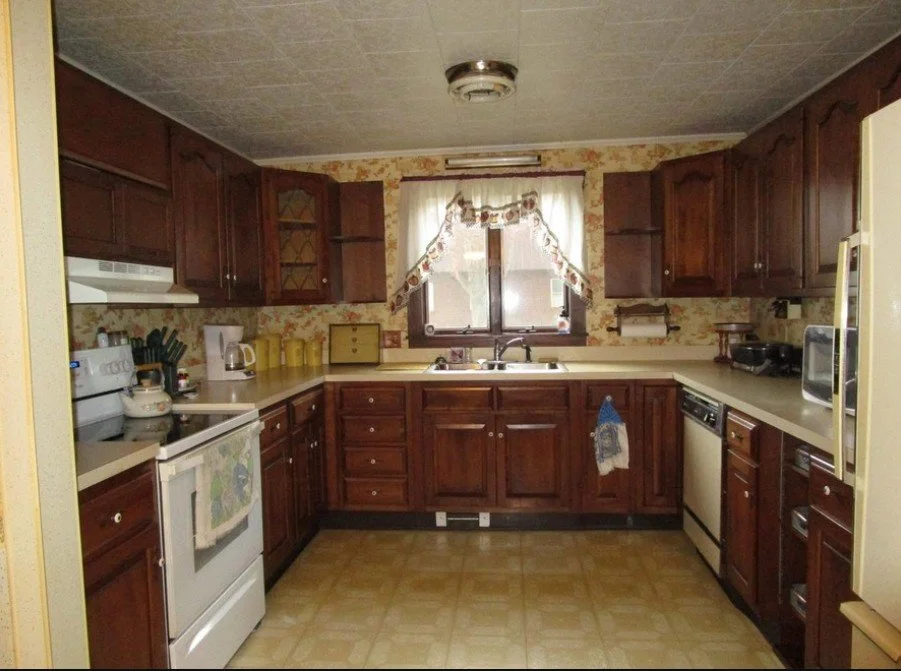
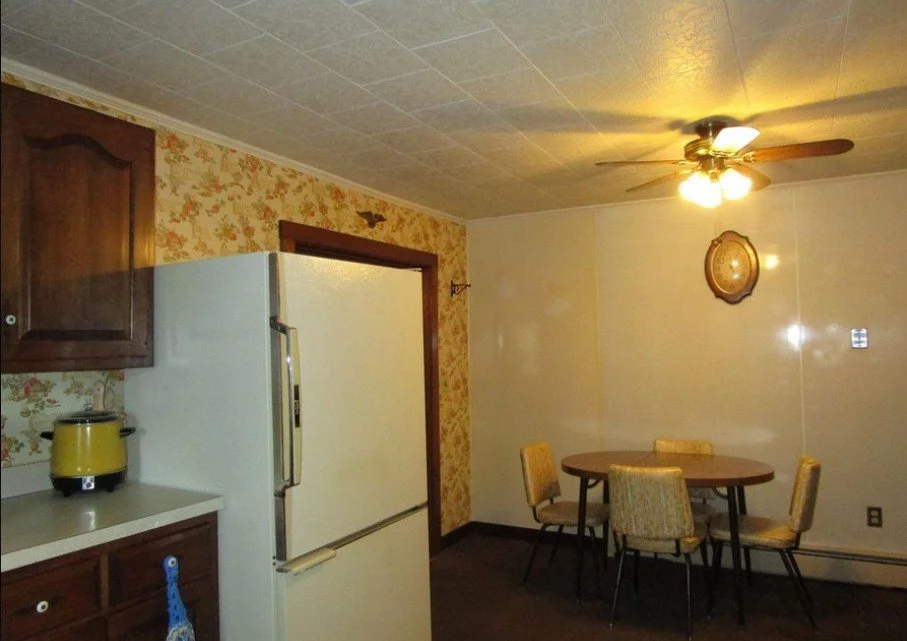
The kitchen, especially, had strong matronly energy. I saw whole lives communicated on the landline, news discussed around the table, celebrations and heartbreaks.
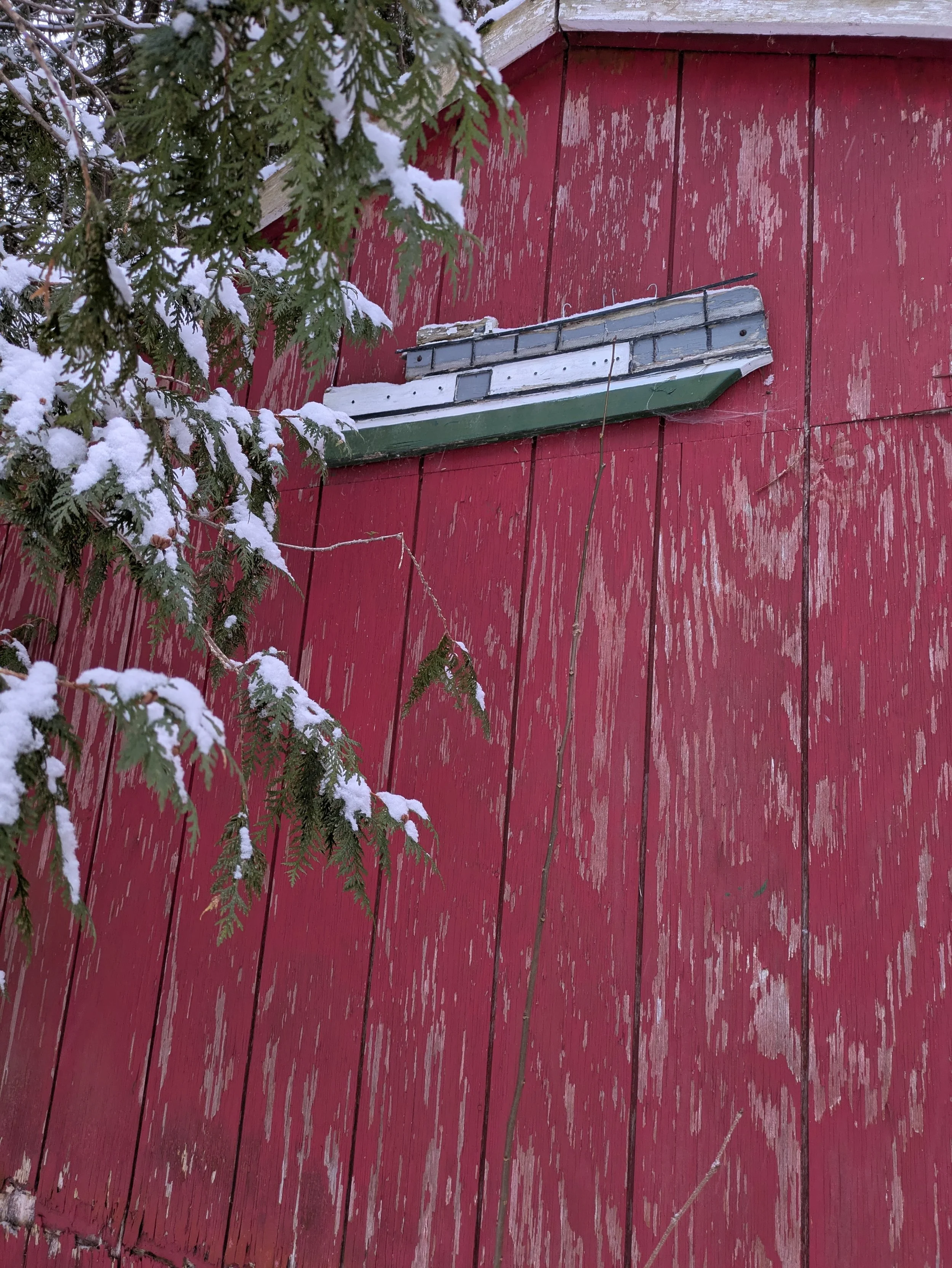
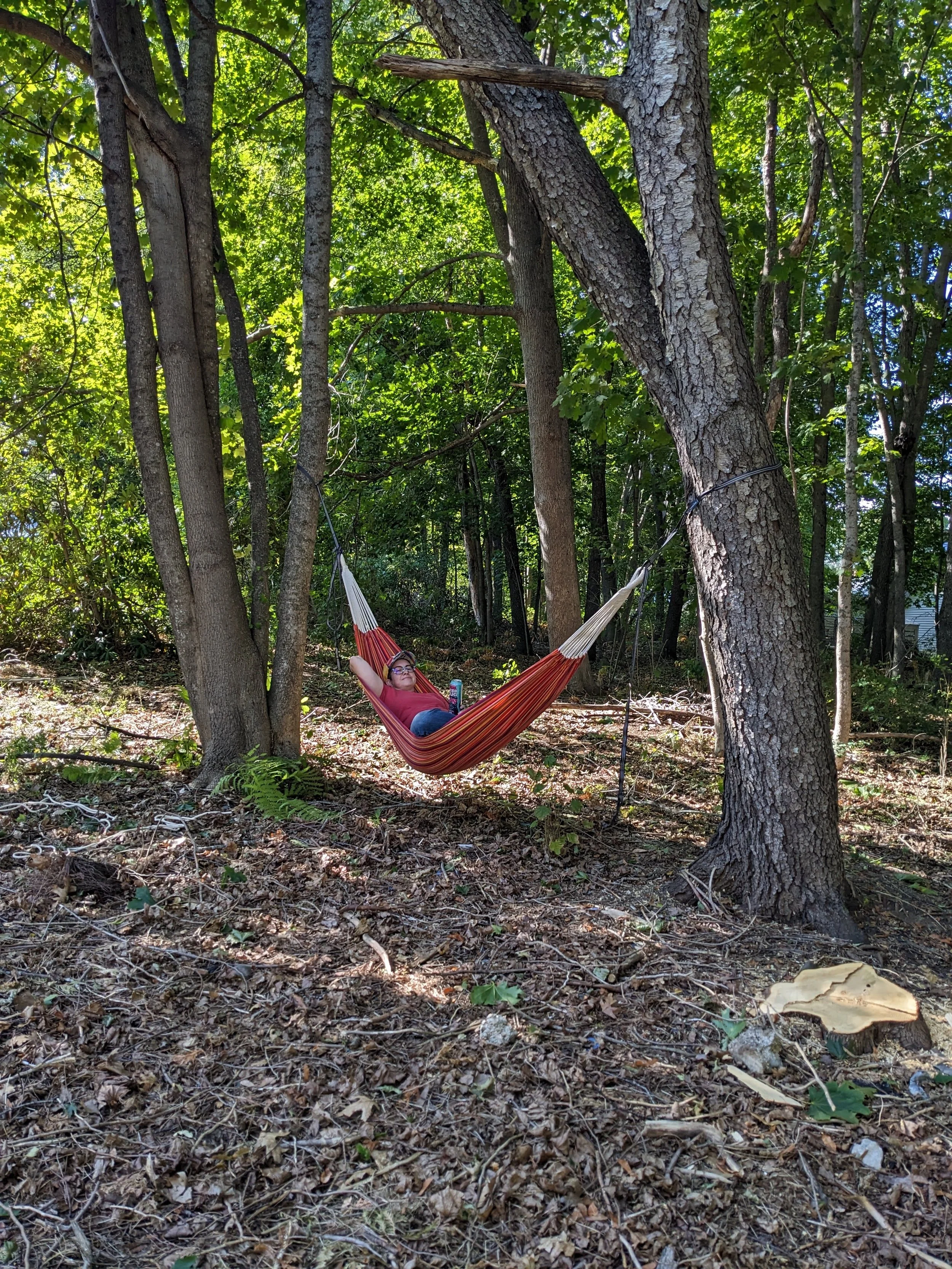
When I walk around the woods and peek into the - now, sadly dilapidated - outbuildings, I get a strong sense these spaces were used for camping, leisure and gardening. There are signs of love everywhere - native plants and wildlife, heritage tulips that come up in the spring, a wooden ship on the barn that has withstood many Maine winters.
There’s even this old fountain that was disconnected from electricity long ago. At first, I found it intimidating but I’ve since embraced it. I plan to honor the fountain by filling it with topsoil and flowers. In fact, we intentionally set the chicken coop nearby so the it has some well-loved company.
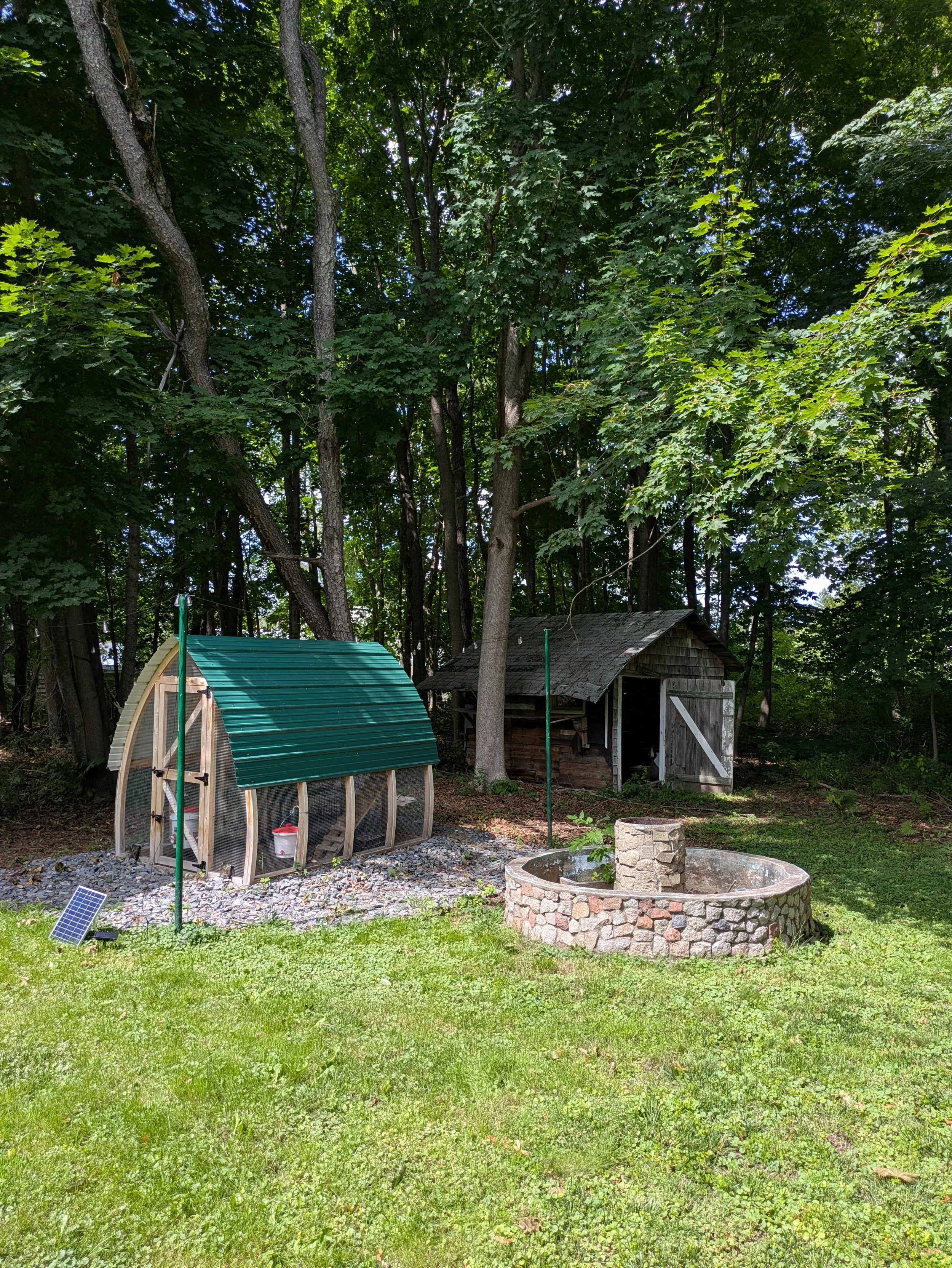
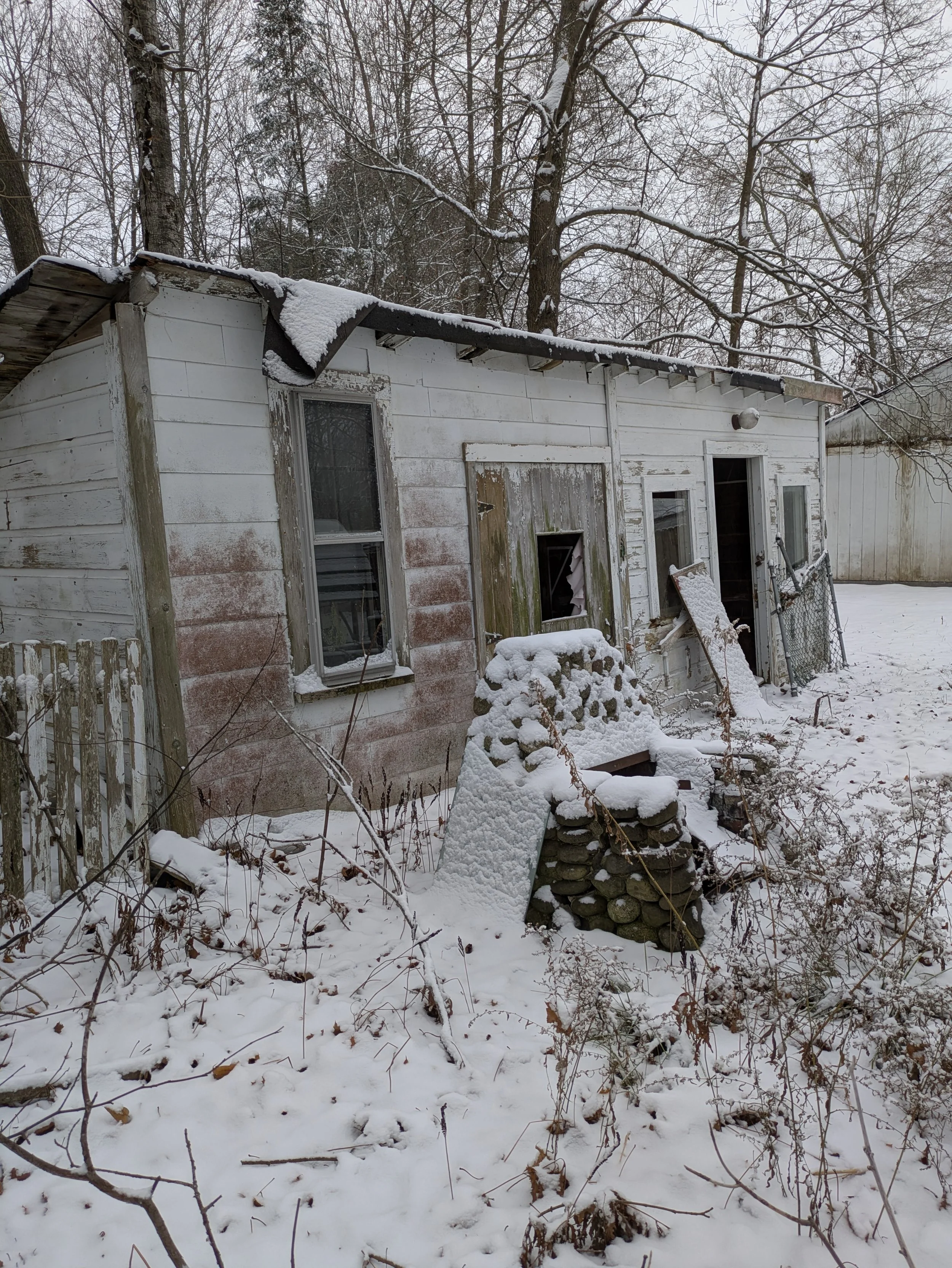
There’s not much we can do to repair these old buildings that are now serving as wildlife habitats, so we’re scheduling them to be torn down. But, I’ve rummaged through and taken out things I want to keep like old window screens, antique jars and fencing.
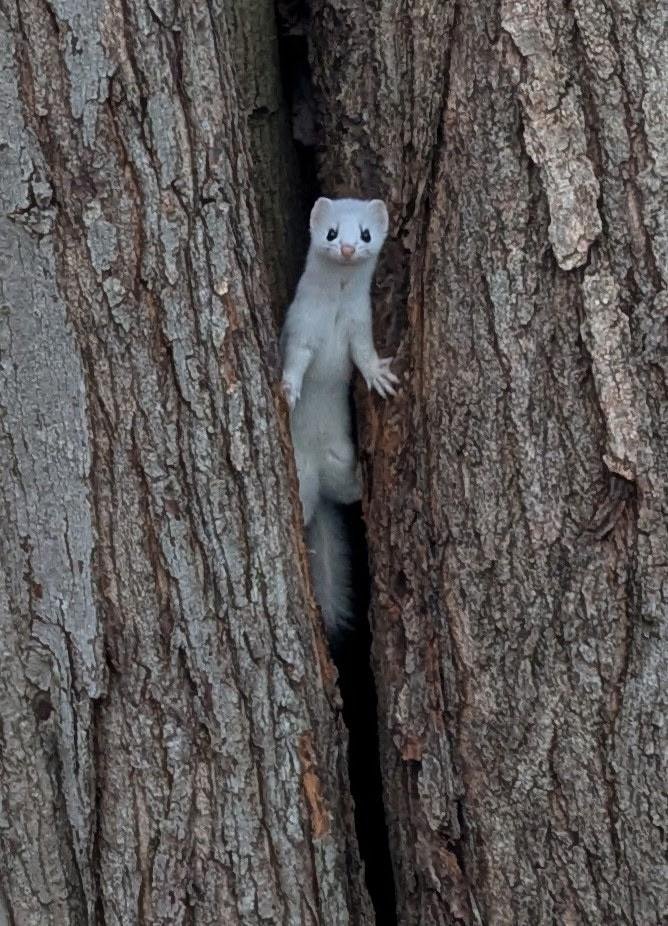
In the meantime, we have watched wildlife live out their lives here: a rare gray fox, red fox, so many skunks, racoons, squirrels, a menagerie of birds including a huge murder of crows, chipmunks, the rare sighting of an ermine (see image below!), deer and more. I’m waiting for a moose but haven’t seen one yet and might not because we’re so close to Bangor.
In the future, I see us opening the heart of these woods to intentional gatherings so we can honor the land and keep good energy and caretaking flowing. We have many plans of working with the land and wildlife to protect native species with gardens, removing invasive plants and listening how to remove ourselves completely from the place that has been a place long before us.
When we did our initial walkthrough, we had driven 14 hours up from Pennsylvania. The whole way, I dreamed with Leigh about my studio. Our realtor had done a virtual tour with us the week before and I fell in love with the old woodworking workshop in the garage. I knew it was the perfect place to make glass art.
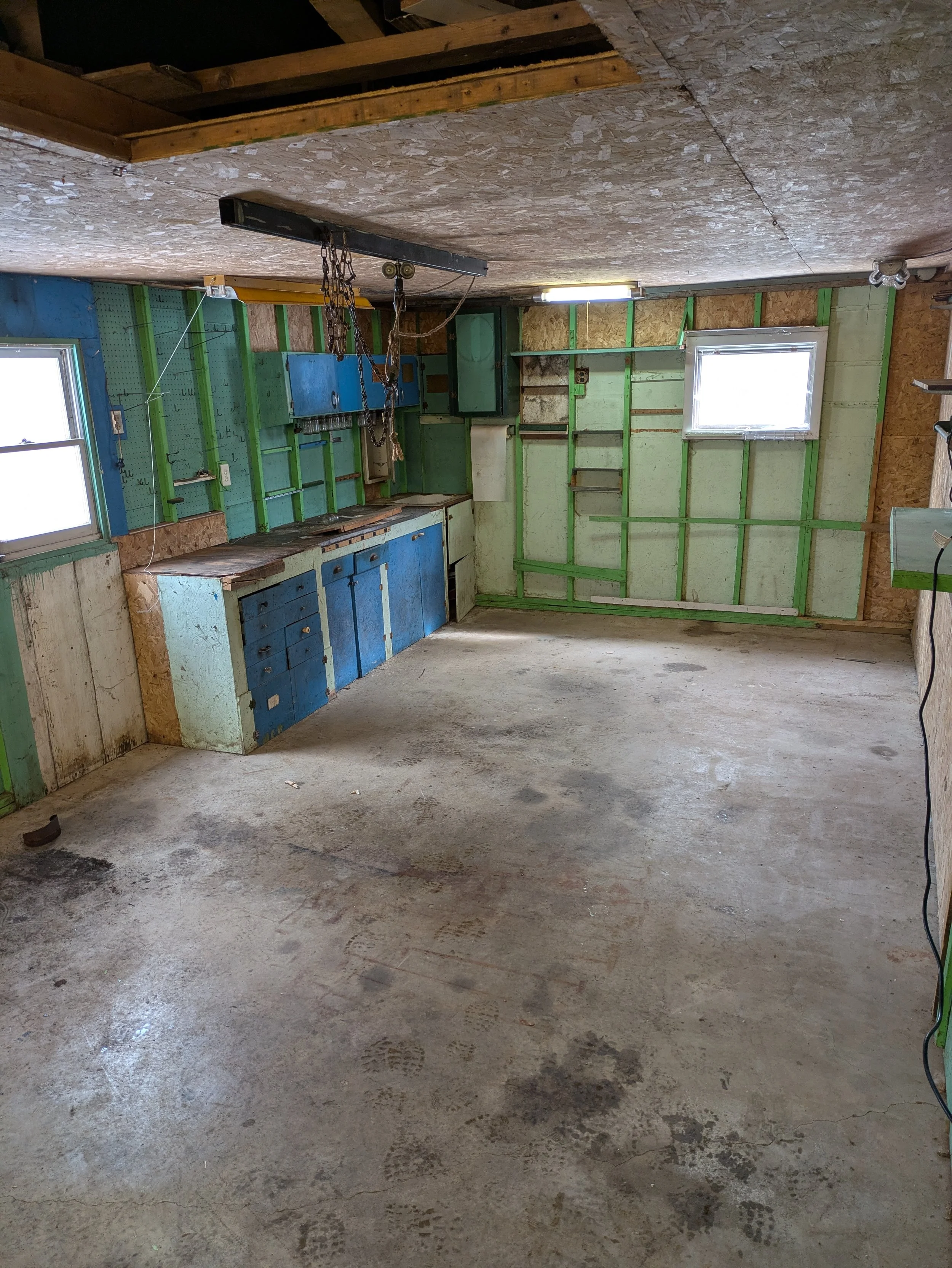
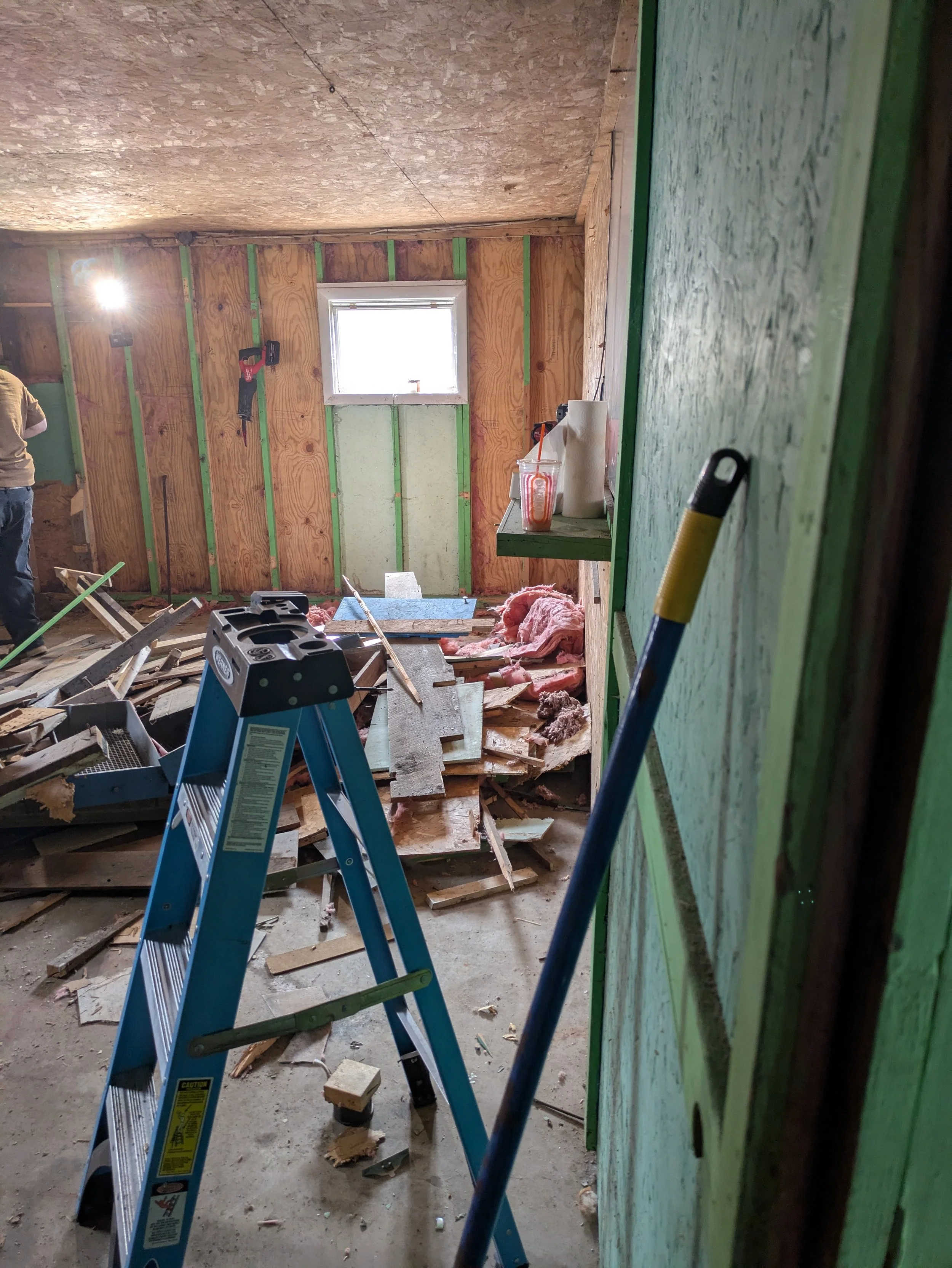
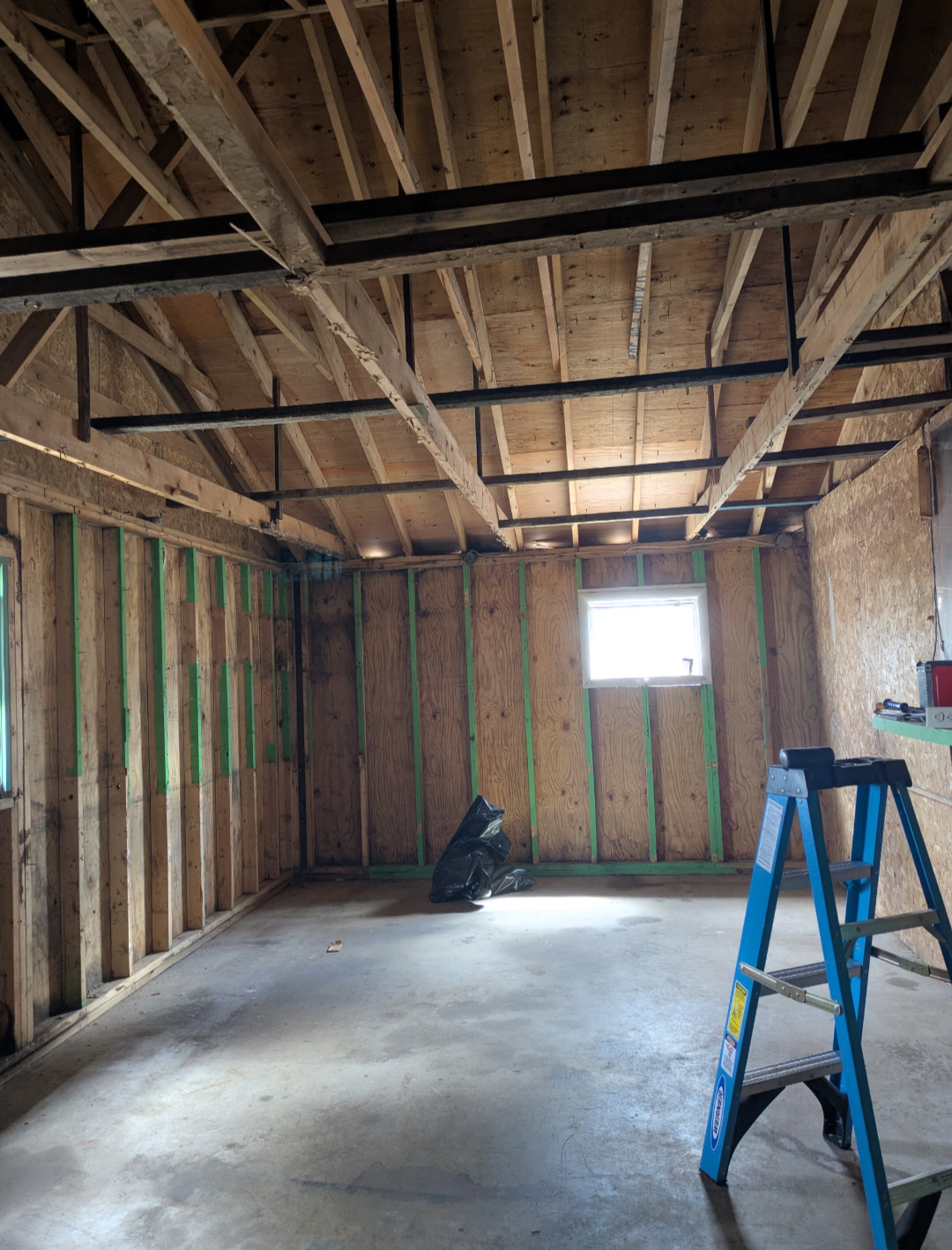
Before, during and after the workshop clean out.
We had our work cut out for us to get the garage ready for my studio. We spent the past year installing a new roof, new electric, cutting back invasive plants, painting, getting new garage doors and light demolition.
After a lot of planning and research, the space is now ready for our contractor to come next month and build it up to a space of creation once again.
This time, though, it’ll have insulation and a heat pump instead of a broken woodstove and thin plywood walls!
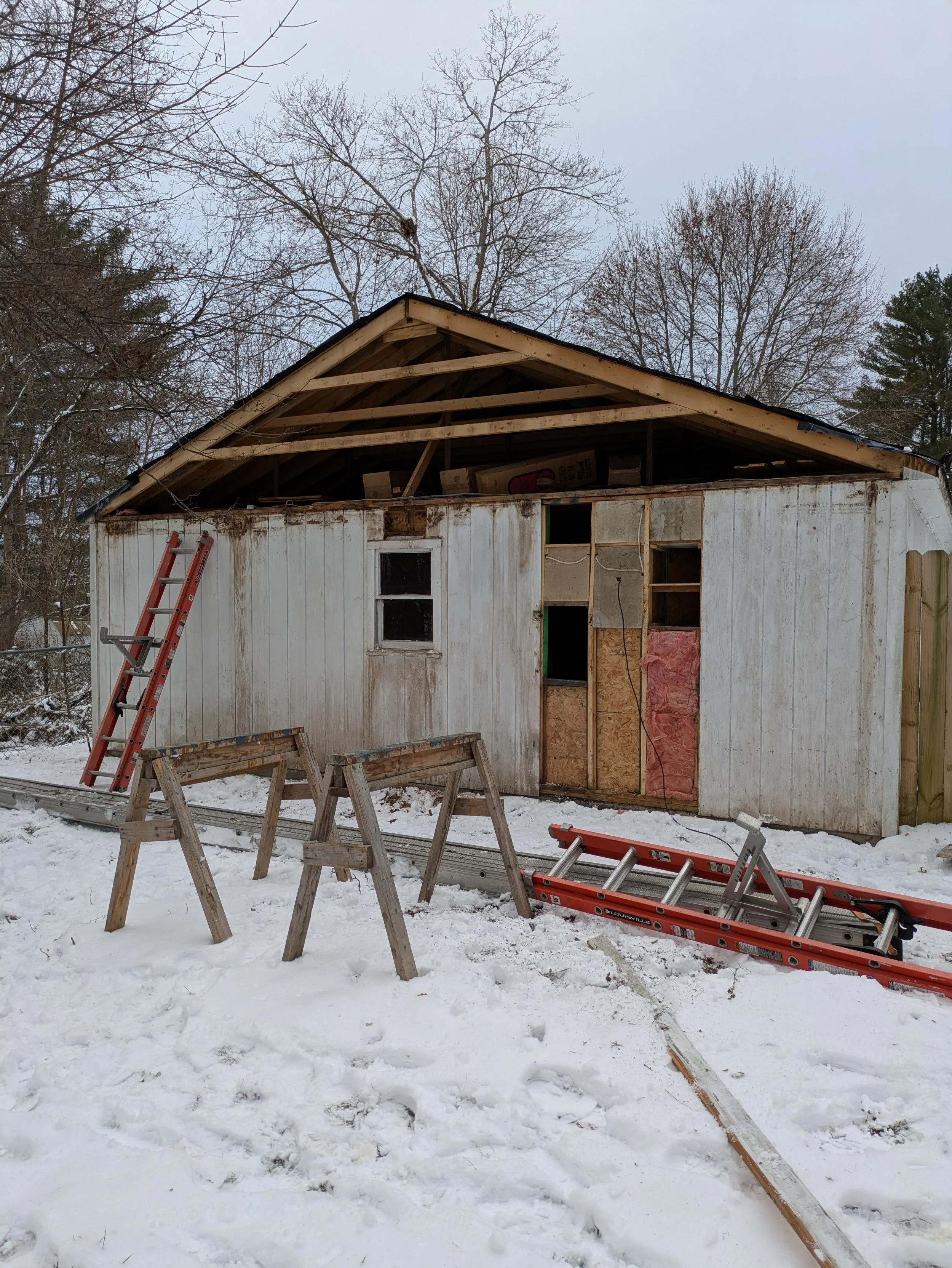
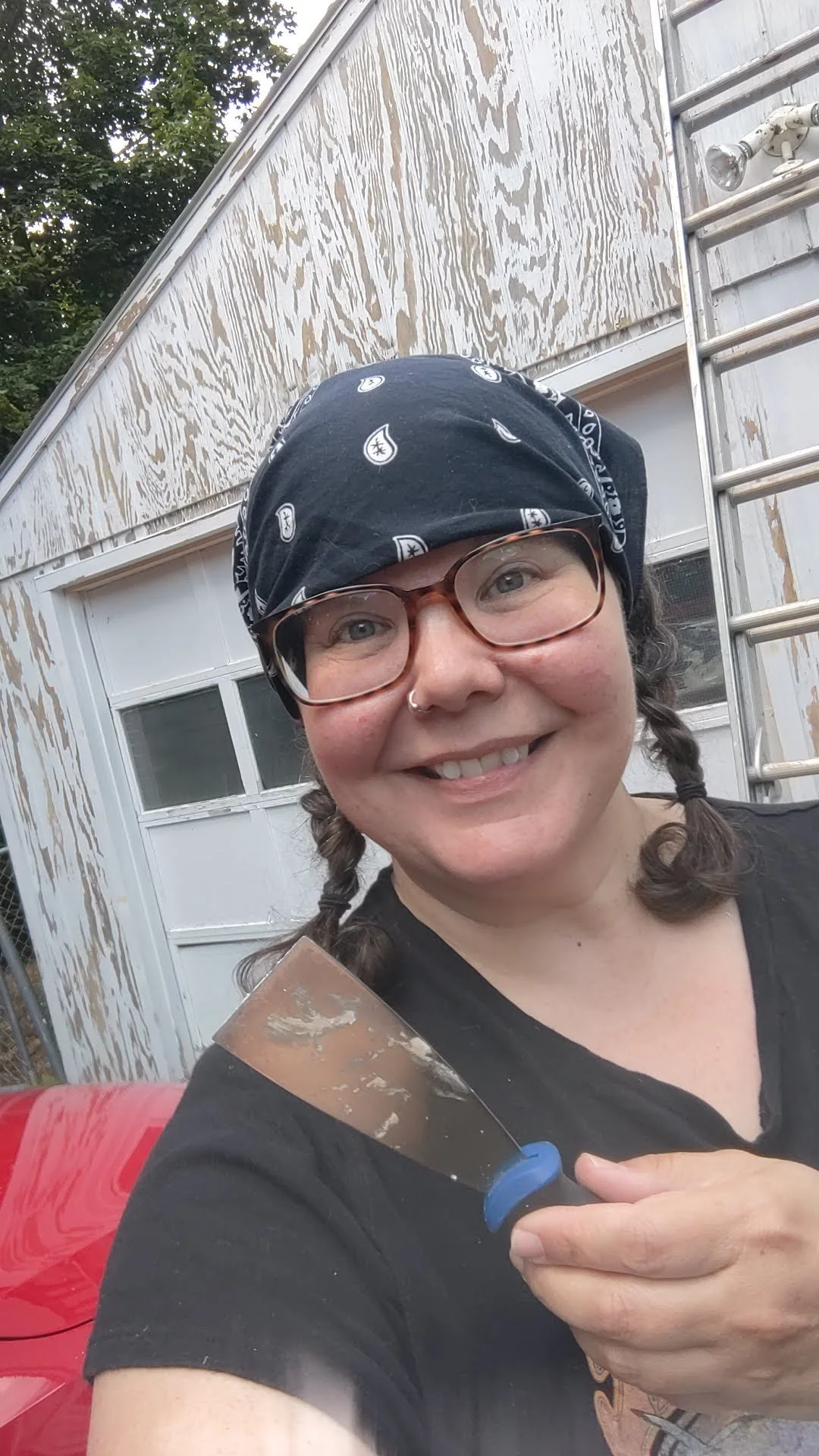
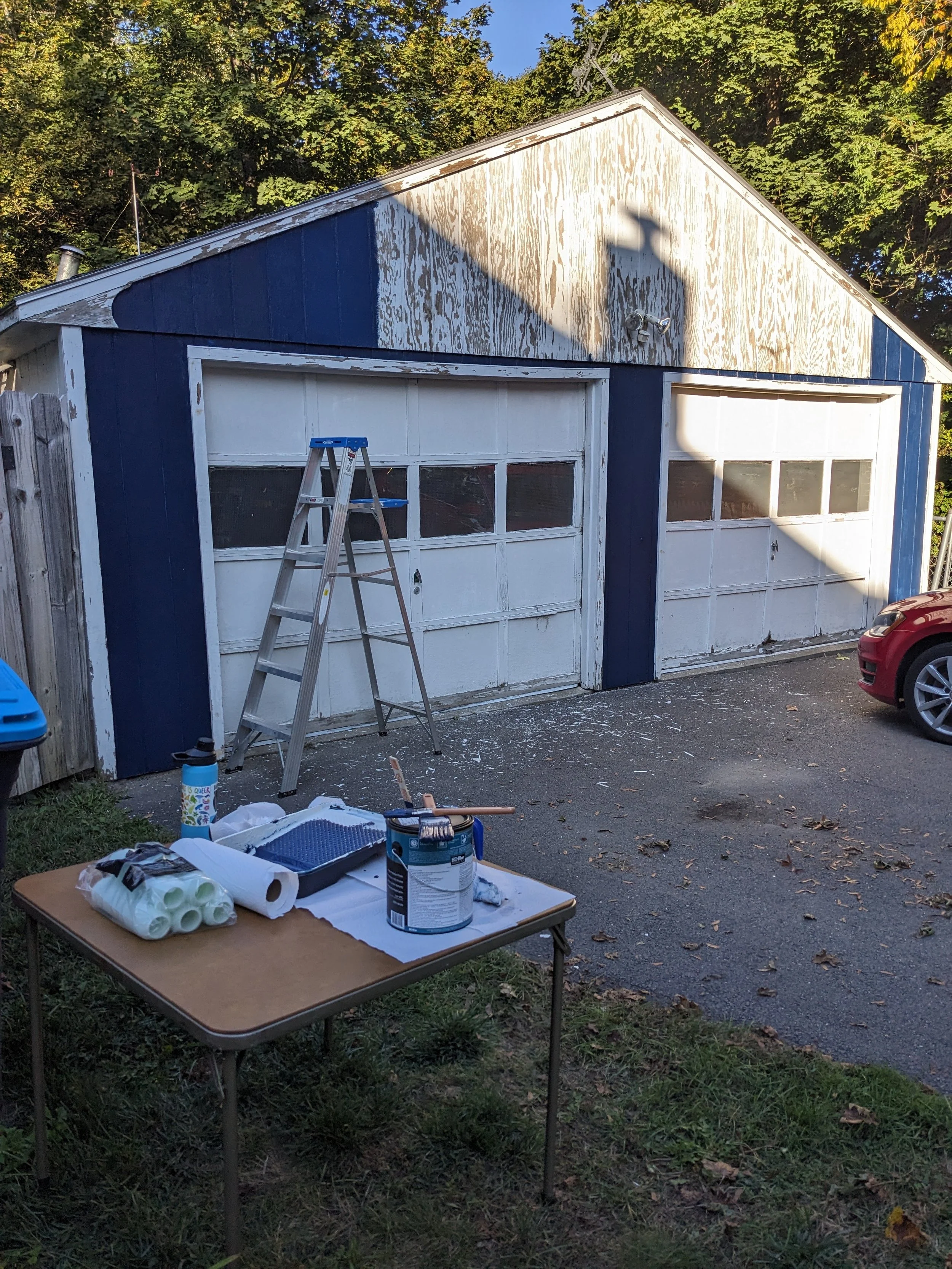
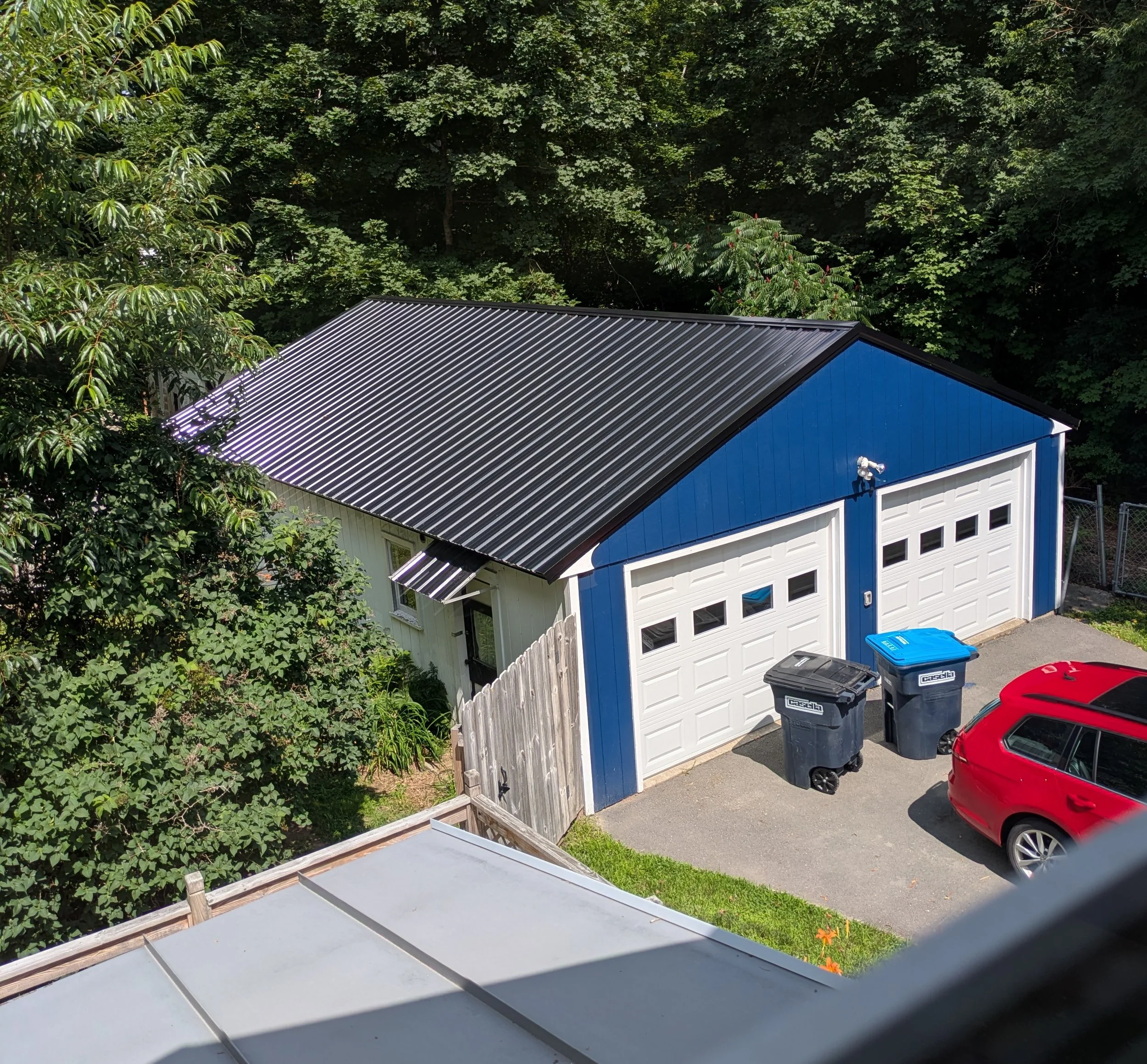
The studio will serve as my private workshop but will also be a place I invite other artists to work with me on collaborations or just when they need a break from solo creating in the long winter. I’ll host a few small classes - maybe 3 people at a time. And, I’ll have open studio days where the public can come in and visit.
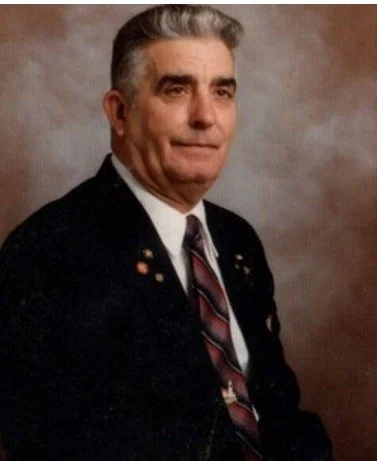
Ray Lupo, the previous workshop tinkerer, spent many long hours here and I feel his energy in there with me.
He passed on in 2020. Sometimes when I’m out working, I ask his opinion on things and hope he likes feeling included in our updates.
The LIFE in this house and land is what
makes it a community place.
This house was always going to be our home.
My sense is that maybe I lived here in another time and that timeline sweeps up against this current one to tell me that I was always going to live here. Maybe I feel that way because I love it here so much. Maybe it’s both?
This house and land were always going to be a community gathering place.
When we talked about buying a home here in Maine, I didn’t want the home and land to just be “ours”. It never was and never will be “ours”.
Instead, I wanted to open the heart of the home and land to artists and queerfolks; to community and preservation; to us. So it will be.
What’s next?
First! The studio renovation will begin in August (so soon!) and I’ll be sure to update my email newsletter subscribers with the progress.
Next! I plan to paint the rest of the garage and add a mural. I’ve never painted a mural before so we’re going to see how this will go, haha.
Then! We will begin saving and working towards a installing a shed that will serve as my gallery and gathering place. Right now, there’s an old garage/barn on our land that needs to be torn down. After that, I will trim back the foliage, establish some native garden beds and save for the shed/building of my gallery dreams.
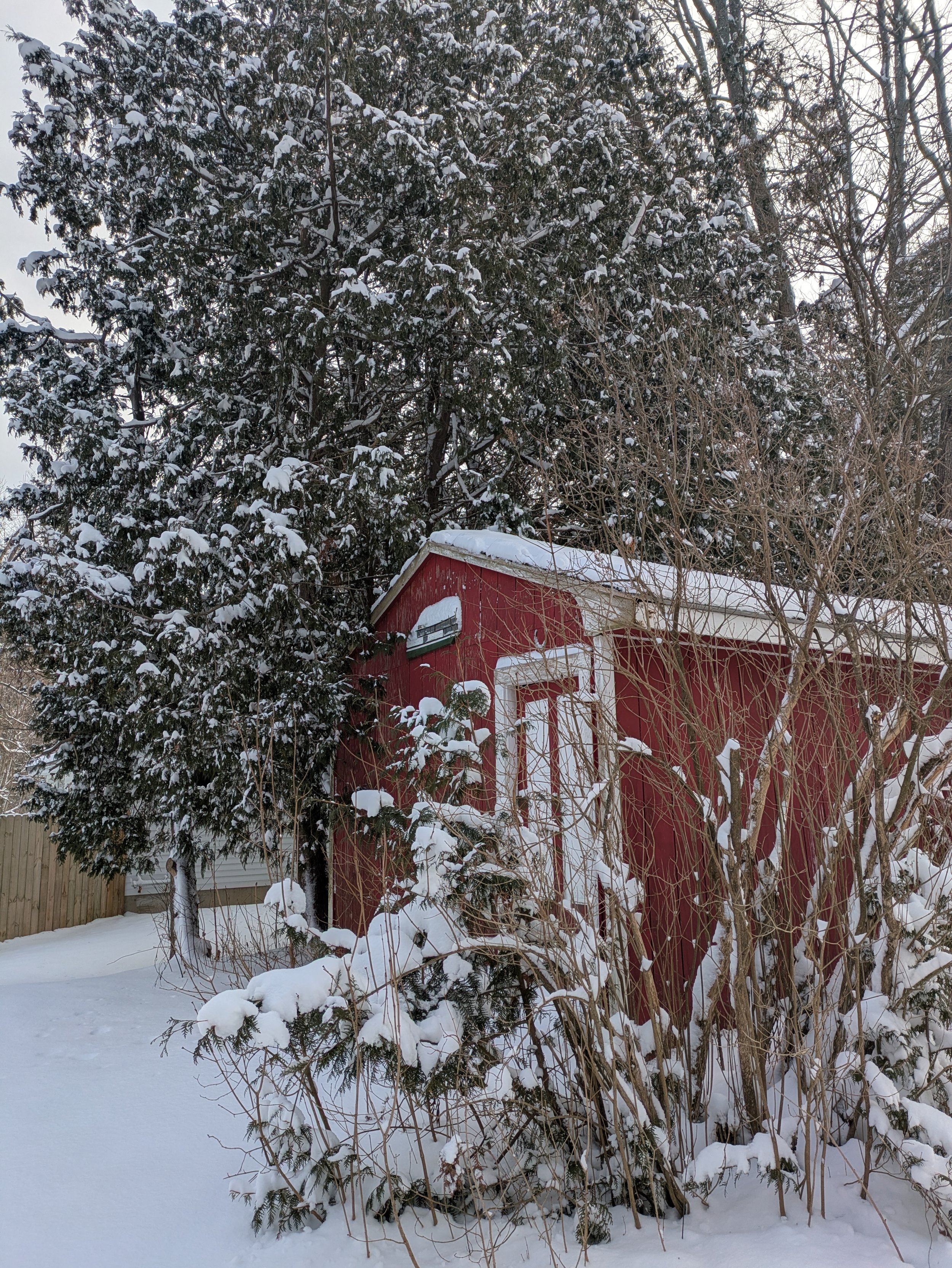
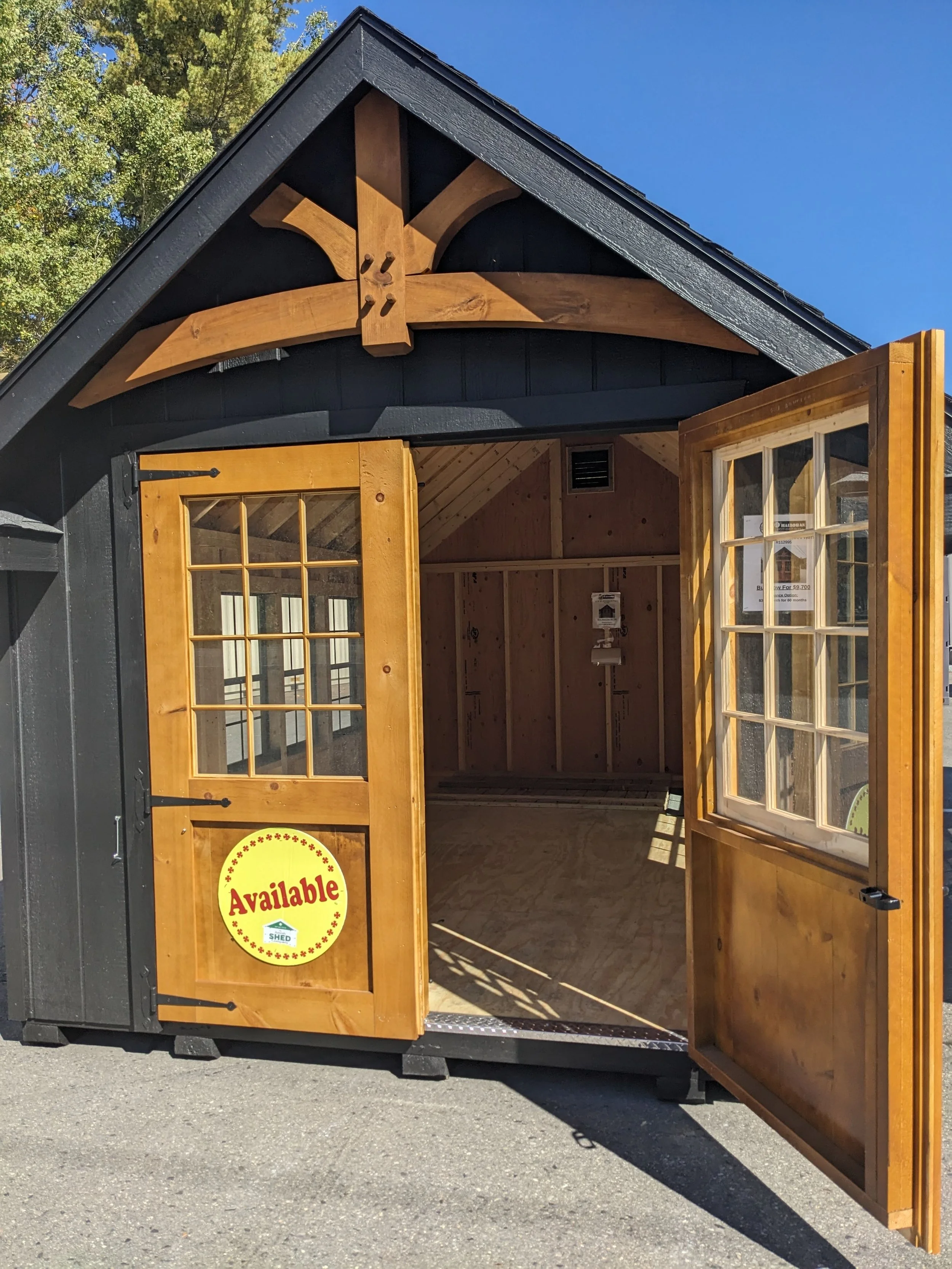
The old barn to be torn down and the shed I’ll be saving money to get for my gallery and gathering place.
My vision is for friends, family and community to experience my glass art, learn how to make their own AND to feel the soul of the land, gardens and home.
In this digital world, doesn’t this place of nature and art
and human connection sound good?
It does to me, too.
I am laying the foundation, sometimes literally, of a future place here that’s rooted in respect for the tribes that lived here, in a Maine family’s past and in a present art and community space that says to me: you belong here, I will shelter you and I am grateful.
Sign up for my newsletter to get more of my studio renovation updates in real time.
You’ll get to see behind-the-scenes photos and alllll my feelings as we get this thing DONE.